Moss and Algae on Your Roof? Why It’s a Serious Problem in Washington
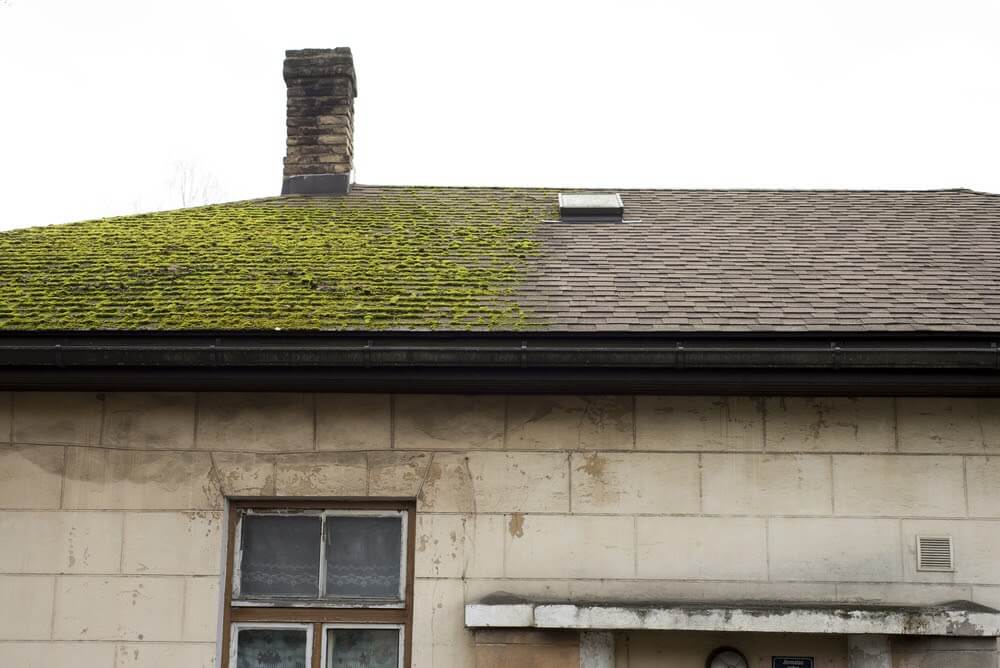
Why Moss Is Dangerous?
If you live in Washington State, especially in areas like Tacoma, Lakewood, Seattle, Kent, or Auburn, moss on your roof is not just common… it’s almost inevitable.
But here’s what most homeowners don’t realize:
Moss is not a cosmetic issue.
It is a moisture retention system sitting directly on top of your roofing structure and in Washington’s climate, that’s a serious problem.
Washington has the perfect conditions for moss growth:
High annual rainfall
Long wet seasons
Mild winter temperatures
Shade from evergreen trees
North-facing roof slopes that receive little sunlight
Moss thrives in temperatures between 40°F and 75°F — exactly what we experience for much of the year.
1. What Most Homeowners Don’t Know About Moss
Here’s a surprising fact:
Moss does not just sit on top of shingles.
It grows under them.
As moss thickens, it:
Lifts shingle edges
Breaks the adhesive seal strip
Allows wind-driven rain to penetrate
Traps moisture against the plywood decking
Over time, this can lead to:
Rotting roof decking
Mold growth in attic spaces
Insulation damage
Structural deterioration
Premature roof replacement
What begins as a green patch can eventually compromise your entire roofing system.
2. The Hidden Structural Risk
When moss holds moisture against shingles for extended periods, it accelerates granule loss.
Granules protect asphalt shingles from:
UV exposure
Water penetration
Surface cracking
Once granules deteriorate, shingles lose their waterproofing ability.
In Washington’s rainy climate, this dramatically reduces roof lifespan.
A roof rated for 25–30 years can fail much earlier when moss damage is left untreated.
3. Is Moss Just a Maintenance Issue or an Insurance Concern?
Many homeowners don’t realize that severe moss damage can complicate insurance claims.
Insurance companies may classify long-term moss damage as:
Lack of maintenance
Wear and tear
Deferred homeowner responsibility
That means if moss leads to leaks or structural damage, coverage could be questioned.
Regular roof inspections and documented maintenance can protect you from this situation.
4. Why Pressure Washing Is a Mistake?
One of the most common mistakes homeowners make is pressure washing their roof.
High-pressure washing:
Strips protective granules
Voids manufacturer warranties
Cracks older shingles
Forces water under the roofing system
Instead, professional soft-wash treatments or controlled moss removal methods are recommended.
Proper evaluation is critical before attempting removal.
5. Signs Your Roof Needs Professional Moss Evaluation
You should schedule a roof inspection if you notice:
Thick, spongy green buildup
Dark streaks or algae stains
Shingles lifting upward
Accumulation in valleys
Granules collecting in gutters
Interior ceiling stains
Even if there are no visible leaks, moss may already be compromising the underlayment.
6. Professional Roof Inspection in Washington State
At EVERGREEN ROOFING & RESTORATION, we understand the unique roofing challenges of the Pacific Northwest.
Our professional roof inspections evaluate:
Shingle integrity
Decking condition
Moisture infiltration
Ventilation performance
Moss-related structural risk
We provide honest assessments and long-term solutions — whether that means cleaning, repair, reinforcement, or replacement.
If you see moss on your roof, don’t assume it’s harmless.
In Washington, moss is not decoration.
It’s deterioration in progress.
Moss won’t fix itself. We will.
Schedule a professional roof inspection today and protect your home from long-term structural damage.